Life moves fast, and it is easy to spend whole days on autopilot. Mindfulness is a gentle way to step out of that rush and come back to the moment you are actually living. You don't need a retreat or an hour of free time. A few minutes, a little attention and some patience with yourself are enough to begin.
Short answer: The simplest everyday mindfulness exercises for beginners are mindful breathing, a short body scan, mindful walking, mindful eating, and a daily gratitude pause. Each takes only a few minutes and needs no equipment. Pick one, attach it to something you already do, like your morning coffee, and practice gently each day.
Key takeaways
- Mindfulness means paying attention to the present moment on purpose, without judging what you notice.
- You can practice it during ordinary moments like breathing, eating, walking and working.
- Mindful breathing, body scans and mindful walking are easy starting points for beginners.
- Short, regular practice matters more than long, occasional sessions.
- Mindfulness supports well-being, but it is not a replacement for care from a qualified professional.
What Is Mindfulness?
Mindfulness is being fully present and aware of what is happening right now. It means noticing your thoughts, feelings and body sensations with curiosity instead of criticism. It is the opposite of running on autopilot, and it gives you room to choose your response instead of just reacting.
Mindfulness and meditation are connected but not the same. Meditation is a formal practice that helps build mindfulness. Mindfulness itself can show up anywhere: while you wash dishes, drive, listen to a friend or sit with your morning tea.
Many people find mindfulness fits naturally alongside their spiritual life. Some pair it with prayer, as described in staying connected through prayer. Others approach it from a place of being spiritual but not religious. Either way, the practice is the same: slow down and notice.
Try this today: The next time you pick up your phone, pause for one breath before you unlock it. Notice why you reached for it.
Benefits of Practicing Mindfulness
People who practice mindfulness often say they feel calmer, sleep a little easier and handle stress with more patience. Mindfulness has been explored for stress, anxiety, sleep and pain. The U.S. National Center for Complementary and Integrative Health offers a balanced overview of what is known and what is still uncertain on its meditation and mindfulness page.
Mindfulness can also help in everyday life and relationships. When you are present, you listen better, speak more thoughtfully and catch yourself before reacting in frustration. That kind of attention is at the heart of adding value to others.
It can even shape how you handle money. Noticing your thoughts without judgment makes it easier to see the stories you carry, which is a helpful first step when you ask, what are my current beliefs about money?
A note on safety: Mindfulness is a supportive practice, not a treatment. If you are dealing with depression, anxiety, trauma, an eating disorder, substance use or ongoing pain, please talk with a doctor or licensed mental health professional. If quiet practice brings up painful memories or strong distress, it's okay to stop, open your eyes and ground yourself. If you are ever in crisis in the U.S., you can call or text the 988 Suicide & Crisis Lifeline.
Everyday Mindfulness Exercises
You don't need a special place or a long block of time. These everyday mindfulness exercises fit into the day you already have.
Mindful breathing works anywhere. Bring your attention to your breath for a few rounds and let the rest of the world wait.
Body scan meditation moves your attention slowly from your toes to the top of your head, noticing sensations and tension along the way.
Mindful walking turns a trip to the mailbox or a stroll in the park into a chance to feel your feet, your steps and your surroundings.
Mindful eating means tasting your food. Put the screen away and notice the flavor, texture and smell of a few bites.
A gratitude practice means pausing once a day to name a few things you are thankful for. Many people find it gently shifts their attention toward what is going well.
Try this today: Choose one exercise and link it to a habit you already have, such as breathing mindfully while your coffee brews.
Mindful Breathing
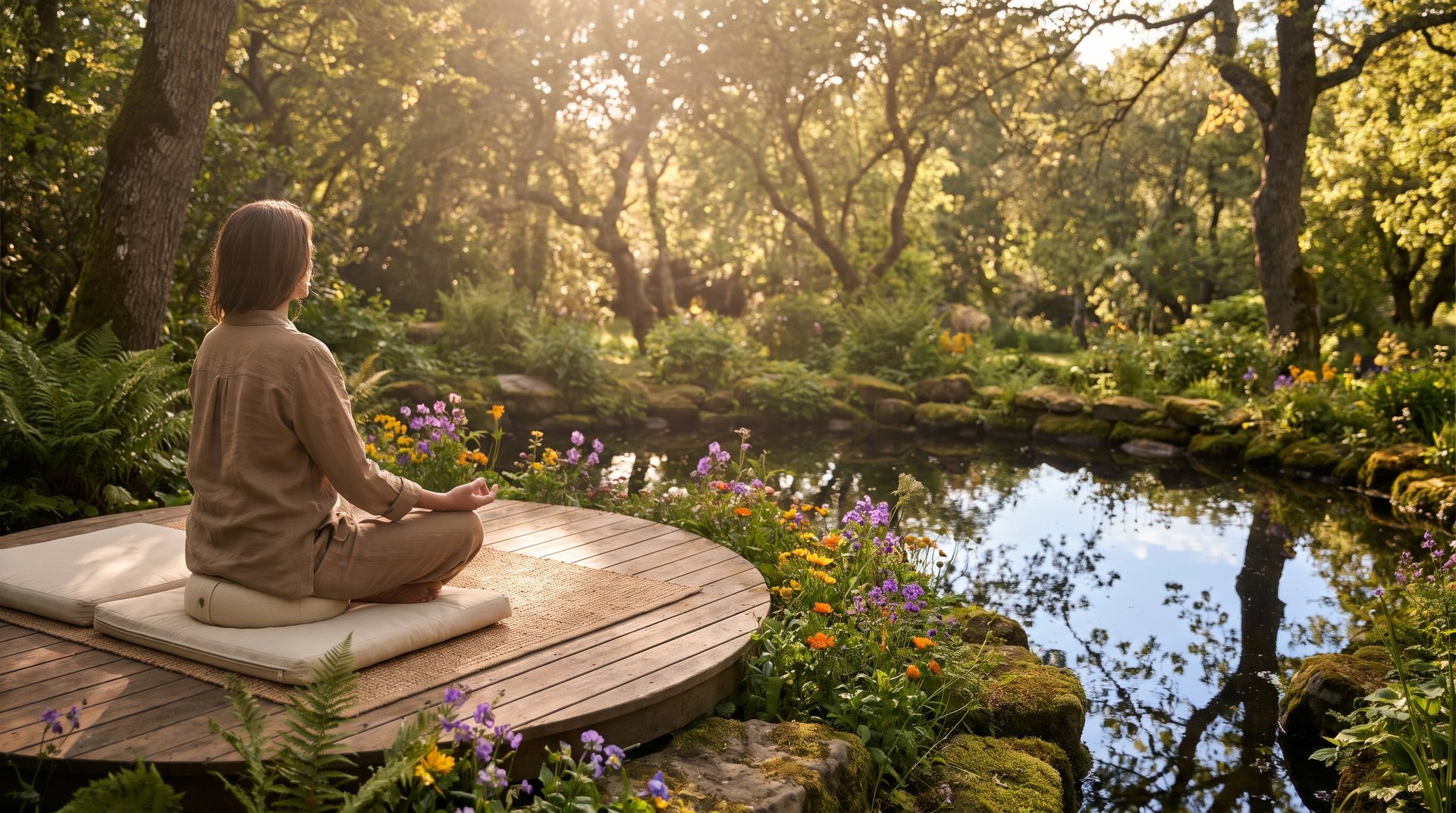
Mindful breathing is simple and powerful. Your breath is always with you, so it makes a steady anchor for the present moment. When your mind wanders, which it will, the breath gives you a place to return.
Steps to Practice Mindful Breathing
- Sit comfortably in a chair or on the floor, with your back supported if you need it.
- Close your eyes or rest your gaze softly on a spot in front of you.
- Breathe naturally and notice the air moving in and out.
- When your mind drifts, gently bring your attention back to the breath. No scolding needed.
- If it helps, count each breath from one to ten, then start again.
- Try letting your exhale be a little longer than your inhale. Many people find this feels calming.
- Experiment with variations, like a slow, audible sigh on the out-breath, and notice which ones feel good to you.
Mindful breathing works for all ages and takes as little as a minute. Over time, it can make you more aware of your breath and help you notice stress before it builds.
Try this today: Set a gentle reminder for midday and take three slow, attentive breaths when it goes off.
Body Scan Meditation
The body scan meditation helps you reconnect with physical sensations you usually ignore. By moving your attention through the body one area at a time, you build awareness and often a sense of grounding and relaxation.
To start, sit or lie down somewhere comfortable. Take a few natural breaths and notice how they feel.
Then bring your attention to your toes. Notice any warmth, coolness, tingling, pressure or tightness. Slowly move up through your feet, legs, belly, chest, hands, arms, shoulders, neck and face. Explore each area with curiosity and without trying to change anything.
When your mind wanders, acknowledge the distraction kindly and return to where you left off. That act of returning is the practice itself.
A body scan can be short or long. Beginners often start with five to ten minutes and lengthen it as it feels comfortable. If focusing on a certain area feels upsetting, it's fine to skip it or open your eyes.
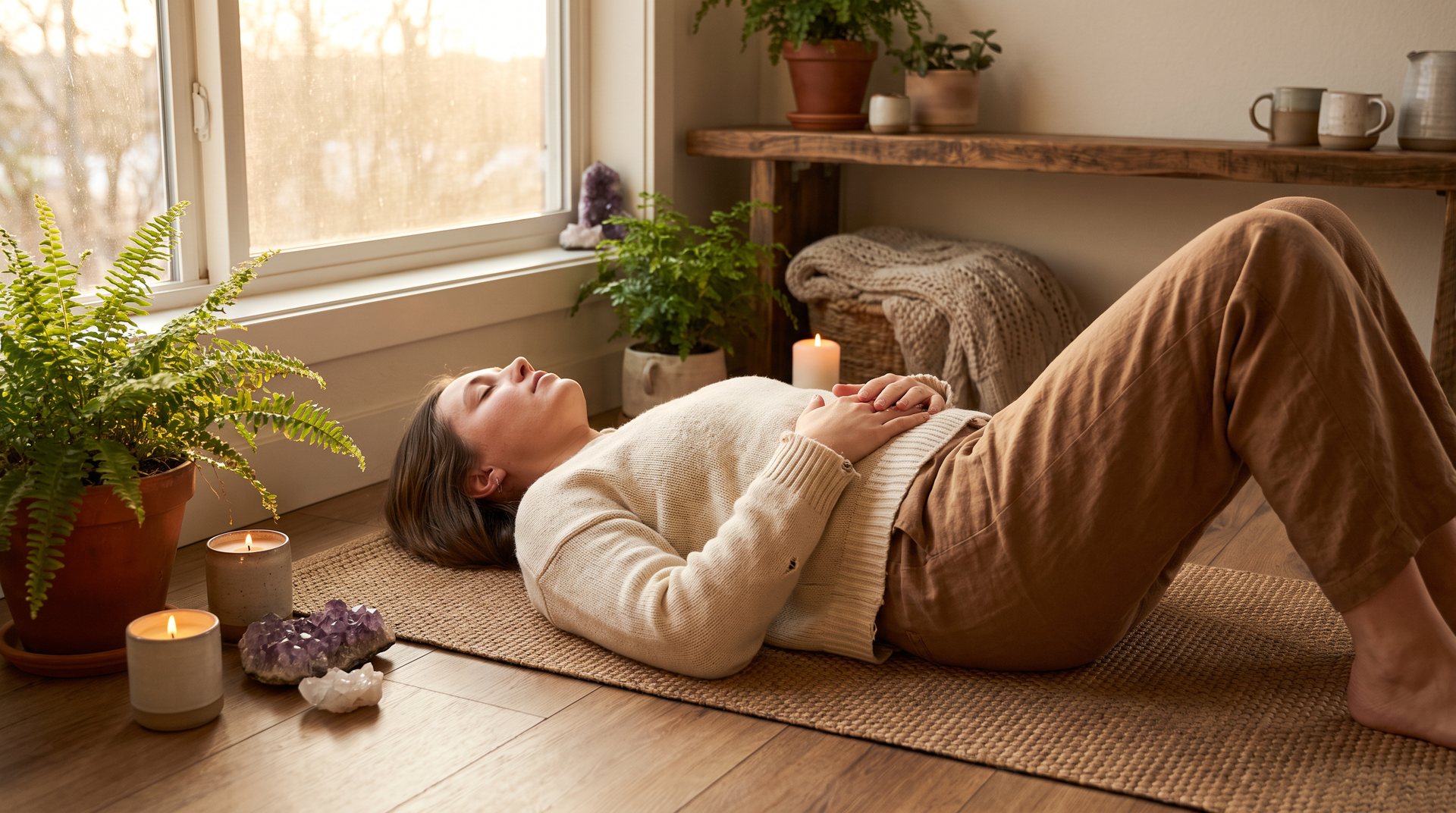
Try this today: Before sleep, do a quick scan from feet to head, simply noticing where you feel tense and inviting that spot to soften.
Mindful Walking
Mindful walking combines gentle movement with present-moment awareness. You slow down and pay attention to how your body feels with each step and what is happening around you. It is a good option if sitting still feels hard.
Many people enjoy walking mindfully in nature. The Japanese practice of forest bathing, or shinrin-yoku, invites people to spend unhurried time among trees and take in the sights, sounds and smells. You can borrow that spirit in any park or tree-lined street.
Steps for Mindful Walking
- Pick a safe place to walk, like a park, quiet street or hallway.
- Walk a bit slower than usual and notice your feet touching the ground.
- Notice what you see, hear and smell, without labeling anything as good or bad.
- Let your senses explore colors, textures and movement around you.
- If your mind races, count your steps up to ten and begin again.
- At the end, stand still for a moment and notice how your body feels.
| Benefit of Mindful Walking | What You May Notice |
|---|---|
| Calmer mood | A walk with full attention can feel like a reset during a stressful day. |
| Clearer focus | Returning attention to your steps is practice for returning attention at work. |
| Mind and body together | You care for your body through movement and your mind through awareness. |
Stay curious and open. Regular practice, even on short walks, can become one of the most natural parts of your day.
Try this today: Walk the first minute of your next trip outside slowly, feeling each step land.
Conclusion
Everyday mindfulness doesn't require a lot of time or special tools. Mindful breathing, body scans, mindful walking, mindful eating and a simple gratitude pause can all fit into the day you already have. Each one helps you step off autopilot and come back to the present.
Start small and be patient with yourself. Some days your mind will wander a lot, and that is normal. What you get from the practice depends on your own consistency and choices, so pick one exercise that feels right and return to it daily. If you face something serious, lean on a qualified professional alongside your practice.
When you are ready for more, explore other articles on the SJ Prosperity Pulse blog about mindset, spiritual growth and building prosperity, or reach out through the Contact page to share how your practice is going.
FAQ
What is mindfulness?
Mindfulness is being fully present and aware of what is happening right now. It means noticing your thoughts, feelings and body sensations without judging them. You can practice it formally or during everyday activities.
How is mindfulness different from meditation?
Meditation is a formal practice, often done sitting quietly, that helps build mindfulness. Mindfulness is the quality of attention itself, which you can bring to eating, walking, working or talking with someone. Meditation is one path to mindfulness, but not the only one.
How long should a beginner practice each day?
Start with whatever feels doable, even one to five minutes. Consistency matters more than length. As the habit settles in, you can lengthen your sessions if you want to.
What if my mind keeps wandering?
That is completely normal and happens to everyone. Each time you notice your mind has wandered and gently bring it back, you are practicing mindfulness. Treat yourself with the same kindness you would offer a friend.
Can mindfulness replace therapy or medical care?
No. Mindfulness can support your well-being, but it is not a treatment for mental or physical health conditions. If you are struggling with anxiety, depression, pain or anything serious, please talk with a qualified professional.
Where can I learn more about mindset and growth?
Browse the SJ Prosperity Pulse blog for more articles on mindset, spiritual growth and prosperity. If you have a question about your own practice, you're welcome to reach out through the Contact page.